
- Head & Neck Conditions
- Joint Injection (Therapeutic, Shoulder)
- Multimodal Anesthesia & Pain Control
- Myofascial Release
- Neuromuscular Re-education Therapy
- Peripheral Joint Injections
- Prolotherapy Treatment For Chronic Knee Pain
- Radiofrequency Nerve Ablation
- Regenerative Injection Therapy
- Stellate Ganglion Block
- Steroid Injections
- Trigger Point Injections
- Ultrasounds Guided Joint Injections
About Procedure
Joint injection therapy is a minimally invasive, outpatient procedure used to reduce inflammation and relieve pain in the shoulder and other upper-extremity joints. At Arkansas Spine and Pain, this treatment is commonly recommended when persistent joint pain does not respond adequately to conservative care such as physical therapy, rest, or anti-inflammatory medications.
Whether symptoms result from overuse, arthritis, rotator cuff irritation, or a previous injury, a precisely placed joint injection can help restore comfort, improve mobility, and support a return to daily activities with greater confidence.
Joint injections may also serve a diagnostic role, helping our specialists determine whether pain originates from the joint itself, surrounding soft tissues, or the cervical spine.
Who May Benefit From Joint Injections
Joint injection therapy may be appropriate for individuals experiencing:
- Shoulder arthritis or degenerative joint disease
- Bursitis or synovitis causing joint inflammation
- Rotator cuff irritation or impingement
- Pain following repetitive strain or sports-related injury
- Stiffness, swelling, or restricted joint motion
- Ongoing shoulder pain that has not improved with therapy or medication
Each patient at Arkansas Spine & Pain receives an individualized evaluation to determine whether injection therapy is appropriate and how it fits into a broader care plan.
How the Procedure Works
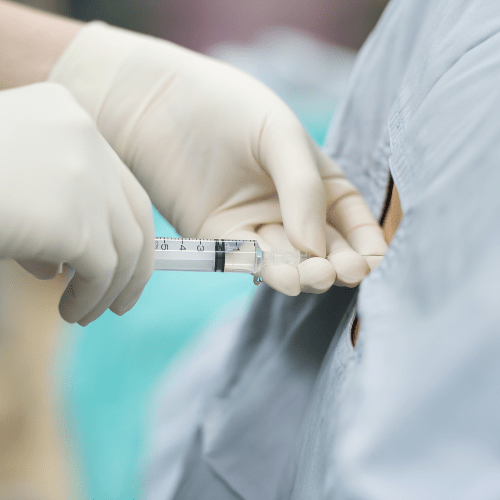
Joint injections are performed in our clinic using sterile technique and image guidance when necessary to ensure accurate placement and patient safety.
1. Preparation
- The skin over the shoulder is cleansed with antiseptic solution.
- A small amount of local anesthetic is applied to numb the skin and deeper tissues.
2. Needle Placement
- The needle is placed at a precise angle depending on which portion of the joint requires treatment.
3. Medication Injection
Once placement is verified, a combination of:
- Corticosteroid (to reduce inflammation)
- Local anesthetic (to provide temporary numbness)
is injected directly into the joint.
Most patients experience only mild pressure during this step.
4. Completion
- The needle is removed and a small bandage is applied.
- Patients rest briefly before returning home.
- The entire procedure typically takes only a few minutes.
What to Expect After the Injection
Most patients experience gradual improvement in pain and mobility within 2–3 days. Temporary soreness may occur as the numbing medication wears off before the steroid begins working.
Post-Procedure Guidelines
- Apply ice for 10–15 minutes at a time during the first 24–48 hours
- Avoid heavy lifting or strenuous activity for one day
- Resume normal daily activities as comfort improves
- Monitor for unusual swelling, redness, or increasing pain
Some patients may require 1–2 additional injections, spaced weeks apart, to achieve optimal benefit.
Benefits of Joint Injection Therapy
Patients often experience:
- Reduced inflammation
- Meaningful relief from shoulder pain
- Improved range of motion
- Better ability to perform daily tasks
- Enhanced participation in physical therapy
- A non-surgical option for managing chronic joint pain
At Arkansas Spine and Pain, our goal is to help patients regain strength, function, and quality of life using safe, evidence-based treatments that support long-term joint health.

Frequently Asked Questions (FAQs)
How long does a joint injection take?
The injection itself usually takes only a few minutes, though imaging and preparation may extend your visit slightly.
Does the injection hurt?
Most patients feel mild pressure or brief discomfort. Local anesthetic helps minimize pain during the procedure.
How soon will I feel relieved?
Many patients notice improvement within 2–3 days as inflammation decreases.
How long does the relief last?
Relief may last from several weeks to several months, depending on the underlying joint condition.
Can I drive after the injection?
In most cases, yes. Patients can typically drive themselves unless otherwise advised by their provider.
How many injections can I receive in one year?
Steroid injections are generally limited to 3–4 per joint per year, depending on your medical history and joint condition.
Is fluoroscopy required for every injection?
No. Fluoroscopy is used when precision is especially important, such as in deeper or more complex joints.
Are there risks associated with joint injections?
Risks are low but may include temporary soreness, infection, bleeding, or allergic reaction. Strict safety protocols are followed to minimize risk.
Will a joint injection cure my shoulder condition?
Joint injections reduce inflammation and pain but do not reverse joint damage. They are one part of a comprehensive treatment plan.
What if my pain does not improve?
If symptoms persist after 10–14 days, our specialists may consider additional injections, physical therapy, advanced diagnostics, or other interventional options.
- Head & Neck Conditions
- Joint Injection (Therapeutic, Shoulder)
- Multimodal Anesthesia & Pain Control
- Myofascial Release
- Neuromuscular Re-education Therapy
- Peripheral Joint Injections
- Prolotherapy Treatment For Chronic Knee Pain
- Radiofrequency Nerve Ablation
- Regenerative Injection Therapy
- Stellate Ganglion Block
- Steroid Injections
- Trigger Point Injections
- Ultrasounds Guided Joint Injections