
Chronic back pain can feel endless, especially when it persists despite physical therapy, medications, and injections. For patients searching for longer-lasting relief without surgery, radiofrequency nerve ablation (RFA) is often presented as an advanced option. One of the most common and important questions patients ask is whether radiofrequency nerve ablation is permanent.
The short answer is no, radiofrequency nerve ablation is not considered permanent—but for many patients, it provides long-term relief that can significantly improve daily function and quality of life. Understanding how RFA works, how long it lasts, and how Pain management physicians manage it and what to expect afterward helps set realistic expectations and informed decisions.
What Is Radiofrequency Nerve Ablation?
Radiofrequency nerve ablation is a minimally invasive procedure used to treat chronic back pain that originates from specific spinal joints or nerves. It works by applying controlled heat generated by radiofrequency energy to targeted nerves responsible for transmitting pain signals.
By interrupting these pain signals, RFA reduces the brain’s perception of pain from the affected area. The procedure is commonly used for facet joint–related back pain in the cervical, thoracic, or lumbar spine.
How Radiofrequency Ablation Works
Before RFA is performed, patients typically undergo diagnostic nerve blocks. These blocks temporarily numb the suspected pain-causing nerves. If significant pain relief occurs after the blocks, it confirms that those nerves are the correct targets.
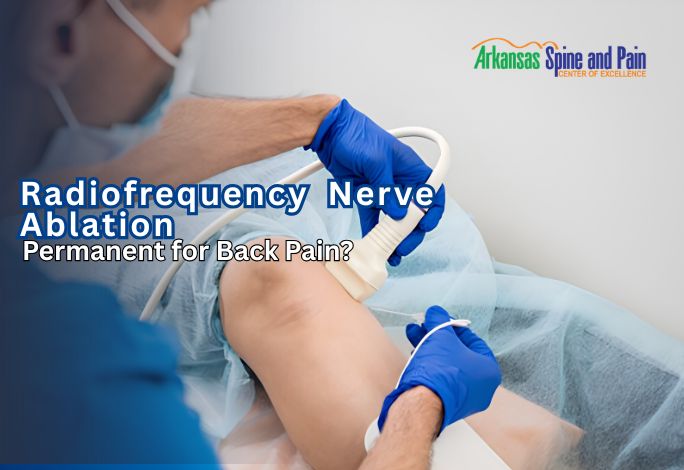
During the RFA procedure, a specialized needle is placed near the identified nerve using imaging guidance. Radiofrequency energy is then delivered to heat the nerve tissue, disrupting its ability to transmit pain signals.
Importantly, the nerve is not removed or destroyed entirely—it is functionally disrupted.
Is Radiofrequency Nerve Ablation Permanent?
Radiofrequency nerve ablation is not permanent. The targeted nerves can regenerate over time. However, the regrowth process is slow, and pain relief often lasts much longer than standard injections.
Most patients experience relief lasting 6 to 18 months, and in some cases, even longer. When the nerve regenerates, pain may gradually return. At that point, the procedure can often be repeated if it was previously effective.
While the nerve’s ability to transmit pain may return, many patients find that the intensity of pain is reduced compared to before treatment.
Why RFA Still Feels “Long-Term” for Many Patients
Even though RFA is not permanent, it is considered a long-lasting treatment. Compared to steroid injections that may last weeks or months, RFA offers extended relief by addressing the nerve itself rather than just inflammation.
The prolonged pain reduction allows patients to stay active, strengthen supporting muscles, improve posture, and reduce reliance on pain medications. These benefits often continue even after nerve function slowly returns.
In some cases, repeated RFA treatments result in longer relief durations over time.
What Types of Back Pain Respond Best to RFA?
Radiofrequency nerve ablation is most effective for facet joint pain, which is a common cause of chronic back pain related to arthritis, degeneration, or repetitive stress.
It is not designed to treat all causes of back pain. Disc herniations, spinal instability, or significant nerve compression may require different treatment approaches. This is why proper diagnosis and nerve testing are essential before proceeding.
What the Procedure Is Like
RFA is usually performed as an outpatient procedure. Patients lie comfortably while the skin is cleaned and numbed. Using imaging guidance, the physician carefully places the treatment needle near the targeted nerve.
The procedure typically takes less than an hour. Some patients experience temporary soreness or stiffness afterward, which usually resolves within a few days. Pain relief may begin gradually over one to three weeks as the nerve disruption takes effect.
Safety and Risks of Radiofrequency Ablation
Radiofrequency nerve ablation is considered safe when performed by Arkansas pain specialists. Because it does not involve surgery or large incisions, recovery time is relatively short.
Possible side effects include temporary soreness, swelling, or localized discomfort. Serious complications are rare. Careful patient selection and precise technique significantly reduce risks.
Can RFA Be Repeated?
Yes. If pain returns and the previous RFA was successful, the procedure can often be repeated. Repeat treatments are common and are generally well-tolerated.
Most providers space repeat procedures based on symptom return and overall patient response. There is no fixed limit, but each case is evaluated individually to ensure continued benefit.
How RFA Fits Into a Long-Term Pain Plan
Radiofrequency nerve ablation works best as part of a comprehensive pain management strategy. While it reduces pain signals, maintaining strength, flexibility, and spinal health remains important.
Many patients use the pain-free window after RFA to engage more fully in physical therapy, exercise, and lifestyle improvements that support long-term spinal health.
Care at Arkansas Spine and Pain
At Arkansas Spine and Pain, radiofrequency nerve ablation is offered only after careful diagnostic evaluation confirms the correct pain source. Each treatment plan is individualized, focusing on long-term pain control, functional improvement, and minimizing the need for surgery. By combining precision diagnostics with evidence-based interventions, the goal is to help patients regain comfort and confidence in daily life.
Frequently Asked Questions
1. Is radiofrequency nerve ablation a permanent cure?
No, the nerves can regenerate, but relief often lasts many months.
2. How long does pain relief usually last?
Most patients experience relief for 6 to 18 months.
3. Can the procedure be repeated?
Yes, repeat treatments are common if pain returns.
4. Does RFA damage muscles or movement?
No, it targets sensory pain nerves and does not affect muscle control.
5. Is RFA better than steroid injections?
It often provides longer-lasting relief for appropriate candidates.
6. How soon will I feel better after RFA?
Relief typically develops over 1 to 3 weeks.
7. Is the procedure painful?
Most patients report minimal discomfort due to local anesthetic.
8. Can RFA replace back surgery?
In some cases, it can delay or eliminate the need for surgery.
9. Are there long-term side effects?
Long-term complications are rare when performed correctly.
10. How do I know if I am a good candidate?
Diagnostic nerve blocks help determine if RFA is appropriate.
Final Thoughts
Radiofrequency nerve ablation is not a permanent solution for back pain, but it offers long-lasting relief that many patients find life-changing. By interrupting pain signals at their source, RFA provides a powerful non-surgical option for managing chronic back pain. With proper diagnosis, expert care, and a comprehensive treatment plan, it can play a vital role in restoring comfort, mobility, and quality of life.