
As people age, chronic lower back pain becomes increasingly common due to arthritis, joint degeneration, and long-term wear on the spine. For many older adults, pain can limit mobility, independence, and overall quality of life. When medications and physical therapy are no longer effective, patients often ask an important and very reasonable question: Is lumbar radiofrequency safe for older adults?
The reassuring answer is yes, in most cases it is considered safe, especially when performed after proper evaluation. This blog explains why lumbar radiofrequency ablation is frequently used in older adults, how safety is assessed when done by Arkansas Pain Specialists, and what aging patients should realistically expect from this treatment.
Understanding Lumbar Radiofrequency Ablation
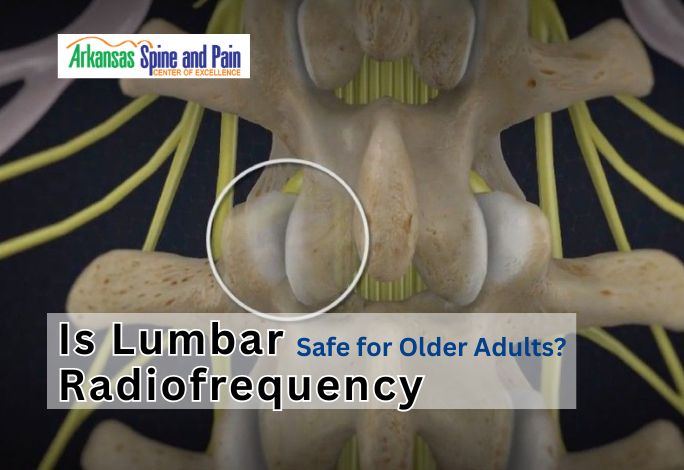
Lumbar radiofrequency ablation (RFA) is a minimally invasive procedure used to manage chronic lower back pain that originates from the facet joints. These joints commonly develop arthritis and inflammation with age, making them a frequent pain source in older adults.
The procedure works by using controlled radiofrequency energy to interrupt pain signals carried by small sensory nerves near the facet joints. These nerves do not control movement or strength, which is why the procedure does not interfere with walking, balance, or daily function.
Why Lumbar RFA Is Often Considered for Older Adults
Older adults are often excellent candidates for lumbar radiofrequency because their pain is frequently joint-related rather than disc-related. Facet joint arthritis is one of the most common causes of chronic back pain in aging spines, and RFA directly targets this pain mechanism.
Additionally, many older patients are not ideal candidates for surgery due to medical conditions such as heart disease, diabetes, or osteoporosis. Lumbar RFA provides a non-surgical alternative that avoids general anesthesia, large incisions, and long recovery periods.
Is Age a Safety Risk for Lumbar Radiofrequency?
Age alone is not a risk factor for lumbar radiofrequency ablation. What matters far more is a patient’s overall health, medication use, and specific pain diagnosis.
Because the procedure is performed with local anesthetic and imaging guidance, it places minimal stress on the body. This makes it well-tolerated even in patients in their 70s, 80s, and beyond, provided proper screening is done.
Medical Conditions and Safety Considerations
Before recommending lumbar RFA, doctors carefully review medical history, including heart conditions, blood pressure, diabetes, and use of blood-thinning medications. These factors do not automatically prevent treatment, but they guide planning and safety precautions.
Since lumbar radiofrequency does not involve deep sedation or surgery, the overall risk profile is low compared to more invasive procedures. This is one of the reasons it is frequently chosen for older adults with chronic pain.
Does Lumbar RFA Increase Fall Risk?
No. Lumbar radiofrequency ablation targets sensory nerves only. These nerves transmit pain but do not control muscle strength, coordination, or balance.
In fact, many older adults experience reduced fall risk after treatment because pain relief allows for improved posture, mobility, and confidence when walking. Reduced pain can also make physical therapy and gentle exercise more manageable.
How Long Pain Relief Lasts in Older Adults
Pain relief duration varies from person to person, regardless of age. Many older adults experience relief lasting 6 to 18 months, similar to younger patients.
For a detailed explanation of duration expectations, this topic is discussed more fully in the related guide:
How Long Does Radiofrequency Ablation Pain Relief Last?
Nerve regeneration occurs at different rates in different individuals, and age alone does not determine how long relief will last.
Is Lumbar Radiofrequency Permanent?
No, lumbar radiofrequency ablation is not permanent. The targeted nerves can regenerate over time, which means pain may gradually return.
However, this temporary nature is not a disadvantage. It allows the procedure to be repeated if it is effective, and it avoids permanent nerve damage. For a deeper explanation of this concept, see the related resource:
Is Radiofrequency Nerve Ablation Permanent for Back Pain?
Many older adults undergo repeat RFA treatments safely and successfully when pain returns.
Recovery and Aftercare for Older Adults
Recovery from lumbar radiofrequency is typically straightforward. Most patients go home the same day and resume light activities within 24 hours. Mild soreness at the treatment site is common and usually resolves within a few days.
Older adults are often encouraged to maintain gentle movement, walking, and spine-friendly activities to support long-term benefit. Pain relief usually develops gradually over one to three weeks.
Why Proper Diagnosis Is Essential
Lumbar radiofrequency is only effective when pain originates from facet joints. This is why diagnostic nerve blocks are always performed first. These temporary injections confirm that the correct nerves are responsible for the pain.
If diagnostic blocks provide significant relief, lumbar RFA is much more likely to be successful and safe. This step is especially important in older adults who may have multiple spine-related conditions at the same time.
Benefits of Lumbar RFA for Aging Patients
For many older adults, lumbar radiofrequency offers meaningful improvements in daily life. Reduced pain can lead to better sleep, improved mobility, decreased reliance on pain medications, and greater independence.
Because it avoids surgery, it fits well into a conservative, quality-of-life–focused approach to aging and pain management.
Care at Arkansas Spine and Pain
At Arkansas Spine and Pain, lumbar radiofrequency ablation is offered with special consideration for the needs of older adults. Each patient undergoes careful diagnostic testing and medical review to ensure safety and suitability. Treatment plans are personalized, focusing on pain relief, functional improvement, and maintaining independence without unnecessary surgical risk.
Frequently Asked Questions
1. Is lumbar radiofrequency safe for seniors over 70?
Yes, age alone does not make the procedure unsafe.
2. Does RFA require general anesthesia?
No, it is usually done with local anesthetic only.
3. Can older adults on blood thinners have RFA?
This depends on the medication and is evaluated individually.
4. Will lumbar RFA affect walking or balance?
No, it does not affect motor nerves or coordination.
5. How long does pain relief last in older adults?
Typically 6 to 18 months, similar to younger patients.
6. Can the procedure be repeated safely?
Yes, repeat treatments are common if pain returns.
7. Is recovery harder for older adults?
Most older adults recover well with minimal downtime.
8. Does osteoporosis affect RFA safety?
Usually no, but it is considered during planning.
9. Is lumbar RFA better than surgery for seniors?
For many, it is a safer, less invasive alternative.
10. How do doctors know if RFA will help?
Diagnostic nerve blocks confirm whether it is appropriate.
Final Thoughts
Lumbar radiofrequency ablation is widely considered a safe and effective option for managing chronic lower back pain in older adults. When carefully evaluated and properly performed, it offers long-lasting pain relief without surgery, preserves mobility, and supports independence. For aging patients seeking relief while minimizing risk, lumbar RFA can be a valuable part of a comprehensive pain management plan.